Teaching energy systems the way they actually work
We started because the courses available weren't enough
Back in 2024, Liisa and Dimitri kept running into the same problem while training new engineers. The material they found online either oversimplified concepts until they were useless, or assumed everyone already had a PhD.
They wanted something in between. Courses that explained the actual mechanics of grid systems, the real tradeoffs in fuel selection, the messy economics of renewable integration.
So they built it themselves. What started as internal training documents turned into structured lectures. Those lectures became a platform. Now students from forty countries work through the same material Liisa used to explain to her team over coffee.
Who actually builds this
Two people who spent too long in the field to tolerate bad explanations
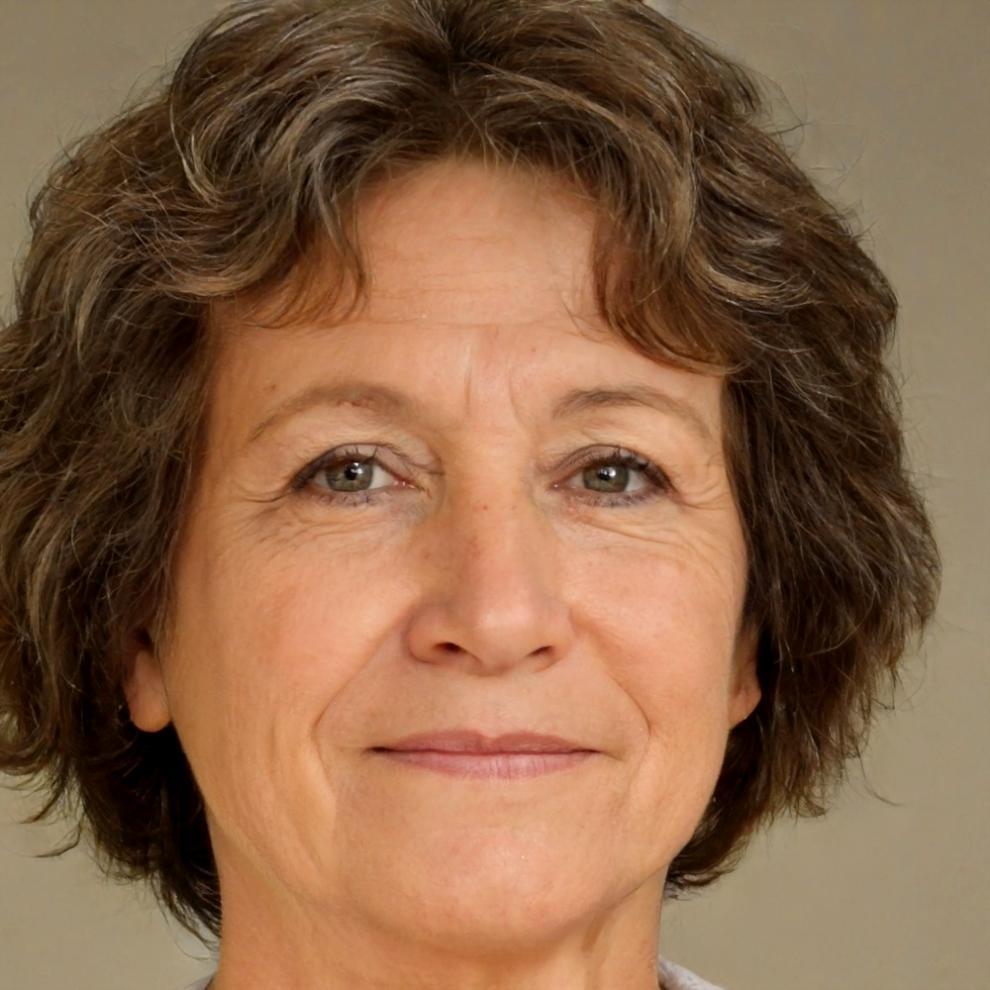
Liisa Toivanen
Co-Founder & Technical Director
Former grid systems analyst with twelve years in renewable integration projects across Nordic and Baltic regions. If you've worked with wind farm data protocols in Estonia or load balancing software in Finland, you've probably debugged something Liisa helped design.
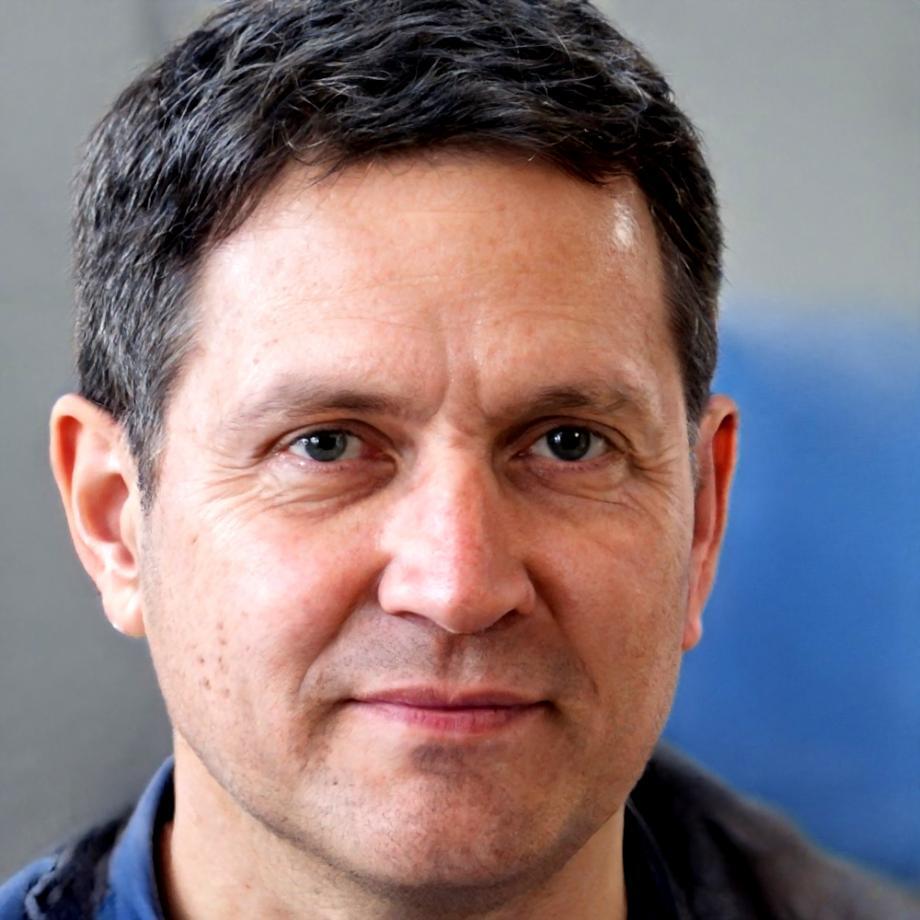
Dimitri Kazakov
Co-Founder & Content Lead
Energy policy researcher who spent a decade documenting infrastructure transitions in post-Soviet economies. He's the one who writes scripts that don't make your eyes glaze over, drawing from hundreds of interviews with plant operators and ministry officials.
How we actually structure the learning
No fluff, no motivational speeches. Just a system that gets you from confused to competent without wasting your time.
Foundation blocks first
Start with thermodynamics, basic grid theory, fuel properties. The stuff you need to understand before anything else makes sense. Each concept tested before moving forward.
Real system analysis
Work through actual grid failures, production decisions, efficiency calculations from documented cases. You see how theory breaks down when weather changes or equipment fails.
Application exercises
Calculate load curves, design backup systems, evaluate fuel costs. You're working with the same tools and constraints engineers use when they're deciding how to keep the lights on.
What makes this different from typical courses
No geographic restrictions
Access lectures from anywhere with internet. Students in Lagos work through the same material as students in Oslo. Time zones don't matter when everything's on-demand.
Built by practitioners
Content comes from people who've actually designed energy systems and fixed them when they broke. Not academic theory divorced from implementation reality.
Focused on makroekonomija context
Understanding energy means understanding the macroeconomic forces that shape production decisions, investment patterns, and policy frameworks across different markets.
See what we're currently teaching
Programs run continuously throughout the year. Check what's available now and what skills each one actually builds.