Energy Systems Learning That Actually Builds Your Understanding
Track What Matters
We built monitoring tools that show you what you've learned and what's still ahead. No guessing about where you stand.
Module Completion
See exactly which lectures you've finished and what comes next. Clear progress through the curriculum with no confusion about sequence.
Knowledge Checks
Short tests after each section let you verify understanding before moving forward. Results show which topics need review.
Learning Velocity
Your pace compared to curriculum schedule. Some weeks you'll go faster, others slower. The system adapts to your rhythm.
Learning That Keeps Going
The course doesn't end when you finish the final lecture. Access to materials stays open, updates get added quarterly, and the discussion spaces remain active.
Students from past cohorts still show up to ask questions about real projects they're working on. The community around these topics continues long after formal instruction ends.
Core Curriculum Access
All video lectures, reading materials, and technical documentation stay available. No expiration dates on content you've paid for.
Quarterly Updates
When regulations change or new technologies emerge in energy systems, we add supplementary content. Past students get these updates automatically.
Community Discussion
The forum stays active between cohorts. Students solving real problems share solutions and ask for input from instructors and peers.
Different Ways to Engage
People learn through different methods. We provide several formats so you can choose what works for how your brain processes information.
Sequential Video Content
Each module builds on previous ones in deliberate order. You watch recorded lectures, take notes, complete exercises, then move to the next topic.
Transcripts and slides accompany every video. Playback speed adjusts from 0.75x to 2x depending on your preference and familiarity with the subject.

Direct Instructor Sessions
Twice weekly video calls where instructors answer specific questions about course material. Come with problems you're stuck on.
Sessions get recorded for students who can't attend live. Most questions relate to applying concepts from lectures to actual energy system scenarios.
Student-Organized Learning
Many students form small groups to work through problem sets together. The platform has channels for coordinating these sessions.
Groups typically include 3-5 people at similar points in the curriculum. They meet weekly to discuss confusing topics and share different approaches to assignments.
Who Teaches This
The instructors have worked in energy systems for years. They know the material because they've used it professionally, not just studied it academically.
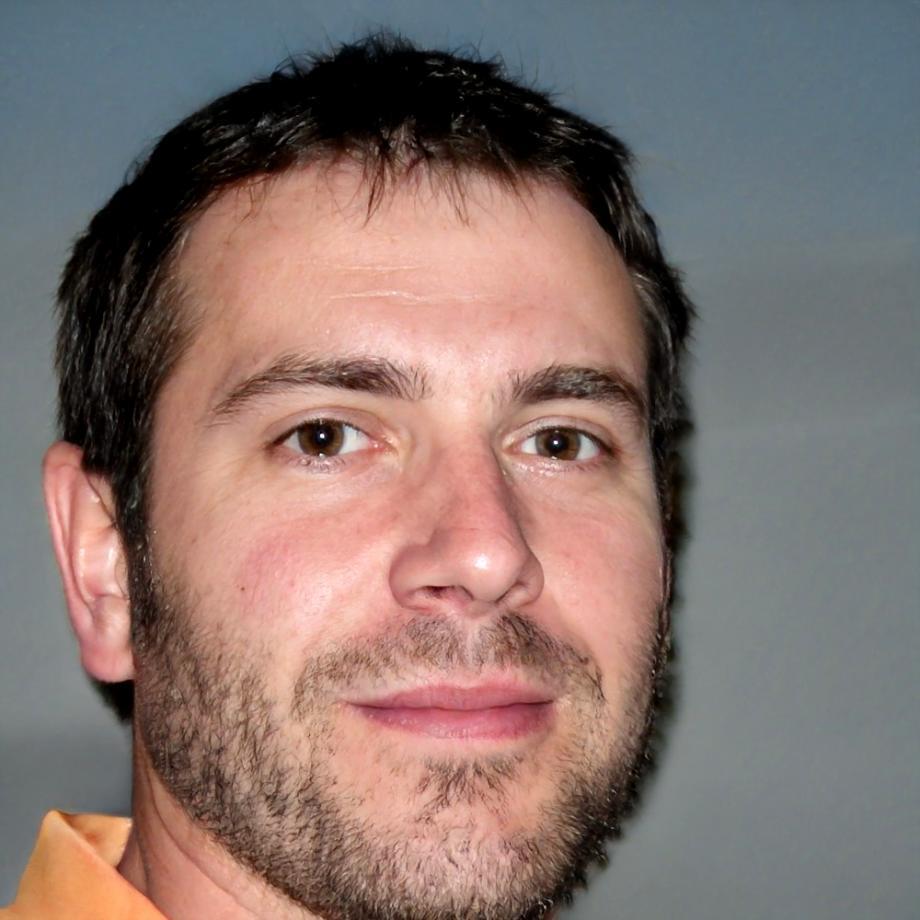
Tomi Virtanen
Tomi spent most of his career designing grid integration systems for renewable sources. Before teaching, he worked on three large-scale wind farm projects in Northern Europe.
His courses focus on practical grid management issues that come up when balancing intermittent power sources. Students consistently mention his examples from actual system failures as especially valuable.
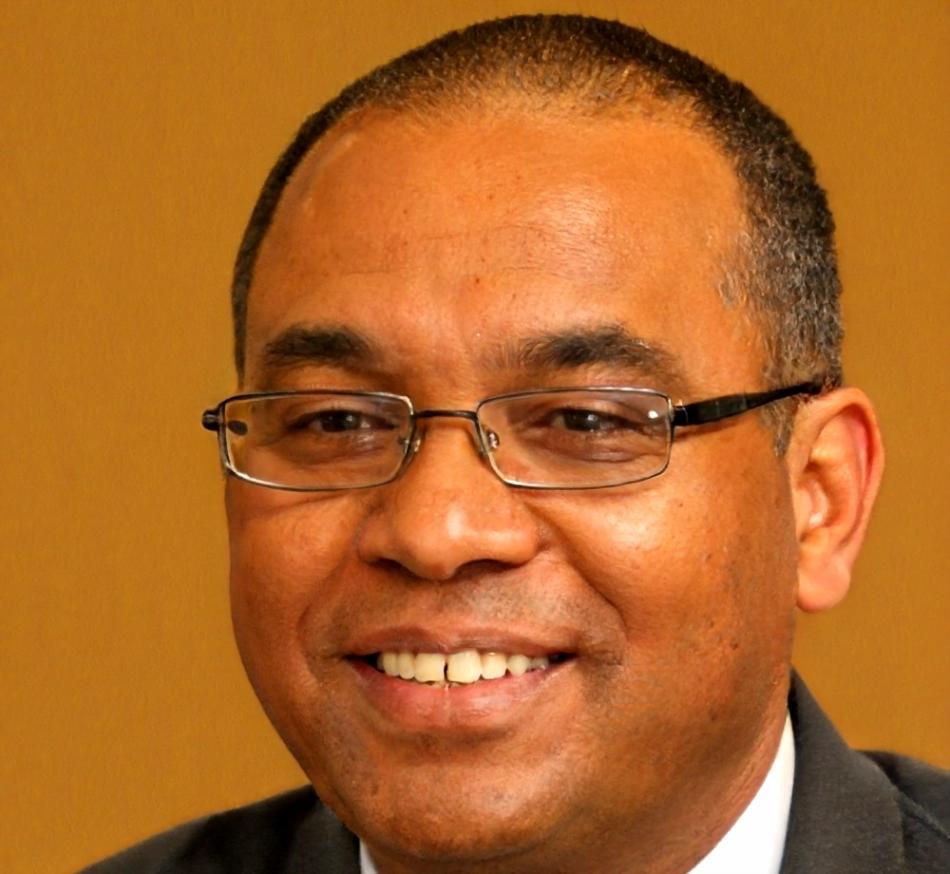
Jakub Novotný
Jakub analyzes how energy markets respond to policy changes and new technology adoption. He worked with government agencies and private utilities to model transition scenarios.
His teaching covers the makroekonomija aspects of energy systems. How production costs, regulatory frameworks, and market structures affect which technologies get deployed and at what scale.